
Kaufman County Tops the Nation in Household Size: A Closer Look at Living Conditions in Texas and Beyond
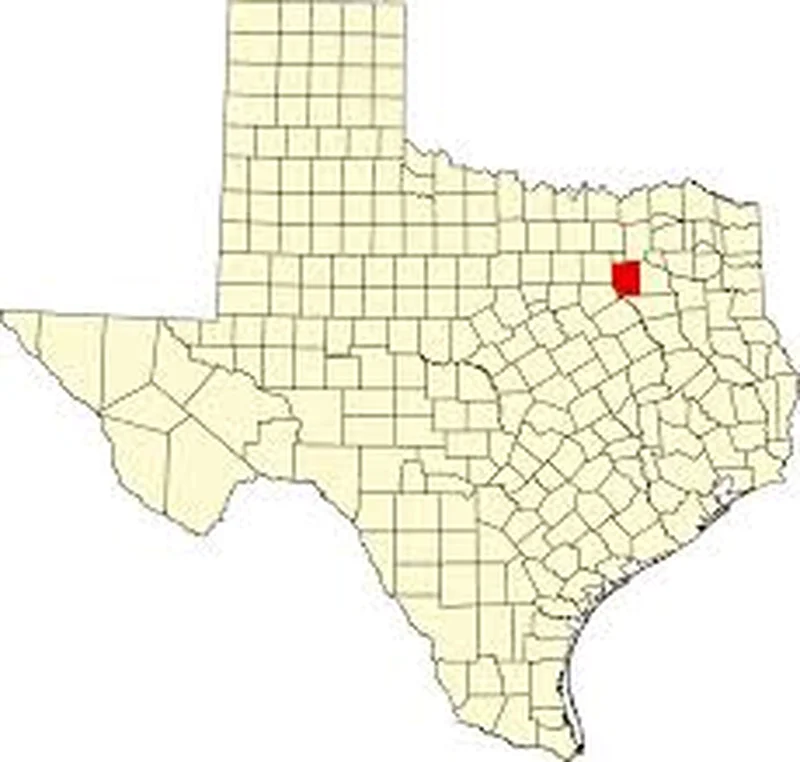
A recent study from Cinch Home Services has unveiled striking data regarding household sizes across the United States. Texas and California emerge as the states with the most crowded households, with Kaufman County, Texas, distinguishing itself as the most congested area, boasting an average of 3.48 people per household.
Regional Differences in Household Sizes
The findings illustrate significant regional disparities in household sizes. Kaufman County leads the nation, while St. Louis City, Missouri, records the smallest household size in the U.S., averaging just 1.80 residents per household. This stark contrast highlights the diverse living conditions experienced across the country.
Top 10 U.S. Counties by Average Household Size
Rank County, State Average Household Size
1 Kaufman County, TX 3.48
2 Imperial County, CA 3.45 2
Starr County, TX 3.45
3 San Benito County, CA 3.35
4 Madera County, CA 3.34
5 Tooele County, UT 3.29
6 Utah County, UT 3.28
7 Merced County, CA 3.27
8 Tulare County, CA 3.26
9 Hidalgo County, TX 3.22
10 Webb County, TX 3.21
Implications of Larger Households
Kaufman County's high average of 3.48 people per household signals a growing trend toward larger families and multigenerational living arrangements. While this may reflect strong familial bonds and support systems, it also presents significant challenges. Families are increasingly facing difficulties in securing adequate housing that meets their needs amidst rising demand.
In a shared second place, both Imperial County, California, and Starr County, Texas, report an average household size of 3.45. The statistics from these regions demonstrate a common challenge where housing demand greatly exceeds available living space, further complicating the search for suitable homes.
This data invites a deeper examination of housing policies and community resources in Kaufman County and similar areas, underscoring the need for solutions that accommodate the changing dynamics of American households.