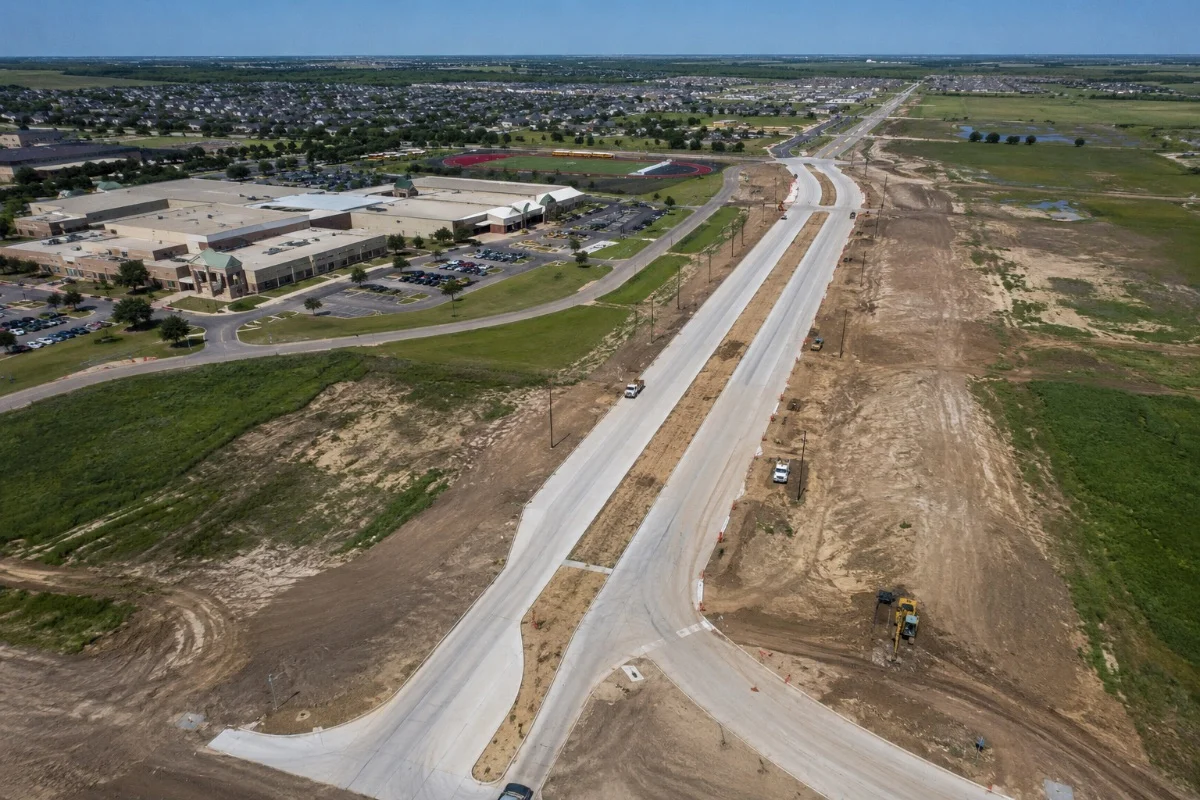
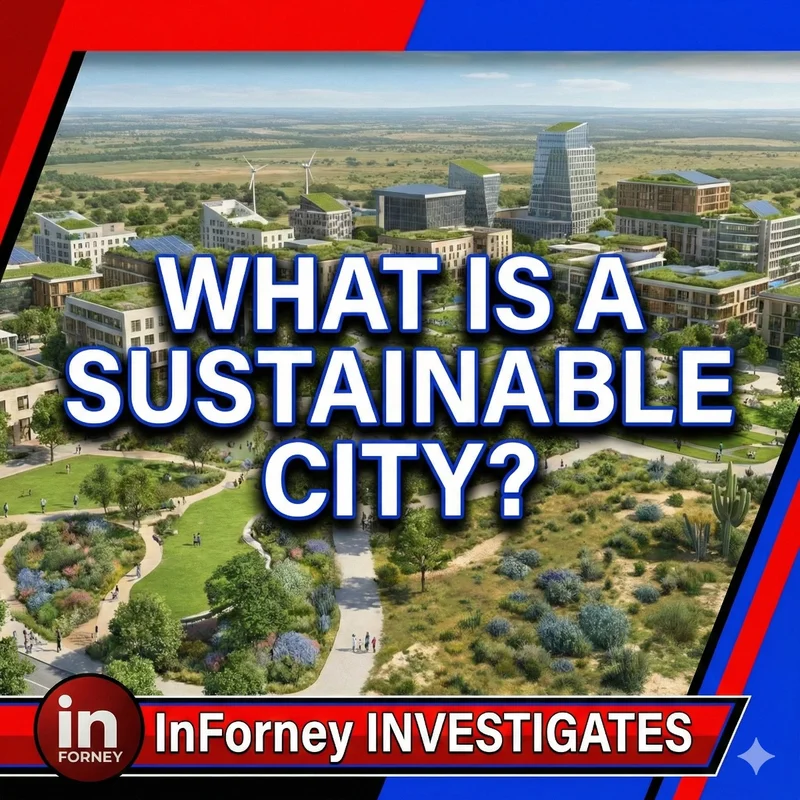
As social media platforms swell with speculation regarding the proposed 2,300-acre development in unincorporated Kaufman County, the focus has often drifted toward cultural friction rather than the concrete engineering and high-profile partnerships driving the project. While the Texas Attorney General’s office has launched an investigation into land acquisition by The Sustainable City USA Inc. (a subsidiary of Dubai-based SEE Holding), the developer’s global track record offers insight into what their plans for Texas might look like..
The Musk Connection
SEE Holding officially welcomed Maye Musk—dietitian, and mother of Elon Musk—as the "Global Voice" of The Sustainable City in January 2026.
Musk has spent time at the Dubai flagship site, advocating for its focus on safety, community, and longevity. The Musk connection attempts to bridge the gap between the Dubai-born concept and the Texas landscape, where the Musk family has already established deep roots through Tesla and SpaceX.
The Environmental Blueprint: "Closed-Loop" Infrastructure
The defining characteristic of a SEE Holding development is its "net-zero" footprint. For the 2,300-acre Kaufman County site, this requires a radical departure from traditional Texas infrastructure:
ERCOT and the Smart Grid: Rather than relying solely on the strained Texas power grid, the model uses AI-enabled energy management. In their Sharjah and Dubai developments, homes are positioned to reduce air-conditioning loads by 50%, with solar arrays typically producing a surplus of energy that can be fed back into the regional grid—a potential benefit for a county facing rapid growth and utility instability.
The Food-Energy-Water Nexus: The plan typically includes "bio-dome" greenhouses for local food production and 100% waste diversion.
The Regulatory Hurdle: TCEQ and Wastewater Reuse
To achieve a "closed-loop" water system in Texas, the developer must navigate the Texas Commission on Environmental Quality (TCEQ). Implementing the "Sustainable City" model in Kaufman County will likely involve:
Chapter 210 Reclaimed Water Authorization: Unlike standard developments that discharge treated waste into local creeks, a sustainable city aims for 100% reuse. Under TCEQ Chapter 210, reclaimed water can be used for landscape irrigation, dust control, and even certain industrial processes, drastically reducing the draw on the local water table.
TLAP (Texas Land Application Permits): If the development avoids surface water discharge entirely (TPDES), it will require a TLAP permit, which mandates that all treated effluent be applied to the land in a way that prevents runoff into state waters.
Timeline: This permitting process is rigorous, often taking 10 to 24 months and requiring professional engineering designs that meet strict Chapter 217 standards.
Political Scrutiny Intensifies
While the environmental potential is significant, the project faces a steep uphill battle in the political arena. U.S. Representative Keith Self (R-TX) and Attorney General Ken Paxton have voiced concerns regarding state sovereignty and the scale of the project, with Paxton demanding records on communications between the developer and local officials.
The tension in Kaufman County reflects a broader debate: is "The Sustainable City" a threat to local sovereignty, or is it a high-tech solution to infrastructure issues facing North Texas?
Learn More
Maye Musk's Role: Official announcement of Maye Musk as the "Global Voice" of The Sustainable City. SEE Holding - News
The Dubai Blueprint: Technical details of the original net-zero community. Case Study: The Sustainable City (One Click LCA)
TCEQ Permitting Guide: A guide for developers navigating wastewater and reuse permits in Texas. Modern Engineering Solutions - Texas Permitting
Kaufman Investigation: Detailed reporting on the Attorney General's investigation into the land acquisition. WFAA - Paxton Investigates Kaufman Development