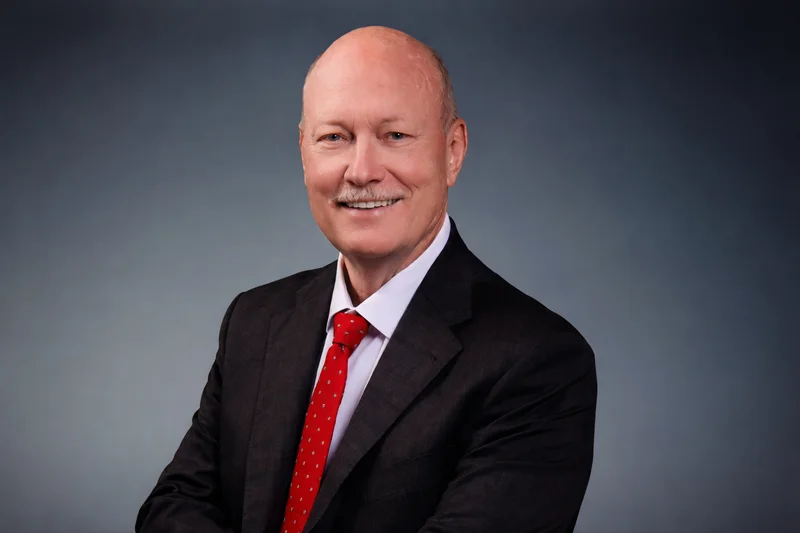
Judicial Election Q&A with Incumbent Judge Bobby Rich
What aspects of your legal career—whether in private practice, prosecution, defense, civil litigation, or on the bench—best prepare you to preside over this court’s combined criminal, probate, mental health, property tax, and civil docket?
My legal career has spanned most of my adult life, including 21 years in law enforcement. All of my experience as a prosecutor, defense attorney, and civil attorney has been beneficial in preparing me for my current position as Judge of County Court @ Law 2. Without question, the most beneficial aspect of my legal career preparing me for a judicial position was my 21 years working for the Dallas Police Department. I cannot think of another position that better prepared me to understand the human nature of victims, witnesses, and even the person accused of the crime than having previous law enforcement training. My experience in this area has been utilized in trials, hearings, and other aspects of prosecution and litigation. The end result is that all parties benefit from a Judge with this particular kind of background.
What have you learned from your courtroom experience that most shapes how you would manage trials and hearings in County Court at Law No. 2?
The most important issue is the protection of the litigant’s constitutional rights. Secondarily, I consider the time a case has been pending on the court’s docket. I have status hearings on cases that are lingering and no resolution has been reached. I make sure each case is set for mediation before it moves into a trial. Mediation is often successful, and litigants resolve the case without taking up time on the court’s docket. If parties are difficult and a resolution fails, it is then set on the trial docket.
County courts often face crowded dockets. What specific practices or policies do you believe are essential for efficient case flow while protecting constitutional rights and due process?
Balancing the constitutional rights of criminal defendants and clearing cases is not an easy task, but I have always been up to the challenge. I have two criminal dockets every week, and four staff members assigned to help organize and set cases on the docket. We routinely discuss and check any case that has been on the docket longer than six months. My staff constantly reviews cases to check on their status and to ensure not one is lost in the volume of cases that continue to come in weekly. Because of this practice, I am proud to announce that the Texas Office of Court Administration has reported that my court (Kaufman County Court @ Law 2) has a 109% clearance rate of cases, which is the second highest clearance rate of all the courts in Kaufman County.
This court handles Class A and B misdemeanors. How should a judge approach sentencing decisions in a way that balances public safety, accountability, and rehabilitation?
When it comes to sentencing, most misdemeanor cases are viewed from the aspect of the type of crime, whether there was a victim involved, the criminal history of the defendant, and if alcohol or drugs were involved at the time the crime occurred. A good judge considers these factors during sentencing to determine whether there will be jail time or probation. When probation is chosen, alcohol and/or drug evaluation is mandated along with other classes and counseling depending on the crime committed and the facts of the situation.
Probate and guardianship cases can be emotionally charged. How do you ensure neutrality and adherence to the Estates Code when family conflict is high?
Probate and guardianship cases are often very emotional for those who bring the case to court because they usually involve family members on each side of the case. The Judge must comply with the Texas Estates Code to ensure that the process is fair and respectful to everyone involved. In this type of case, I find it best to introduce myself to the parties and to reduce the tension by speaking to the affected parties in everyday English rather than the usual legal jargon. Most people are anxious when having to testify in court, and I do my best to make them feel comfortable telling their story without having to worry about "legal speak." In my courtroom, I make an effort to thoroughly explain the process and answer questions so that everyone who enters my court feels like they are treated fairly and with the respect that they deserve.
Mental health commitment and competency proceedings involve serious liberty interests. What procedural safeguards must be strictly observed in these cases?
In mental health cases, strict adherence is mandated by the U.S. Constitution, the Texas Constitution, the Code of Criminal Procedure, and the Health and Safety Code. Any person taken into custody due to incapacity must be given a probable cause hearing within 72 hours of detention. A person cannot be deprived of their liberty except under very specific circumstances, which include a danger to self or others. The rules are strict, and the court must follow them. My staff and I are well-acquainted with these rules and follow them to the letter when handling mental health cases.
Property tax appeals and civil disputes can significantly impact individuals and local businesses. What principles guide your approach to resolving these matters fairly?
When resolving Texas property tax appeals and civil disputes, my approach is grounded in core principles that ensure fairness, consistency, and respect for all parties involved. These disputes can affect homesteads, family businesses, and more. Each one deserves a fair and impartial hearing. I make sure to uphold the law as it is written and ensure that all parties understand my rulings based on the applicable laws.
Judicial temperament influences public confidence in the courts. What qualities define an effective judicial temperament, and how do you demonstrate them?
Judicial temperament must include impartiality, respect for the participants, and a willingness to remain patient throughout the entire process. Judicial temperament is necessary for judicial effectiveness and trust in the judicial system. A good judge should uphold the law as it is written. There is no room for legislating from the bench or bringing one's personal agenda into the courtroom.
There has been public controversy surrounding a proposed development involving Muslim investors. Regardless of public debate, how will you ensure that all litigants—including religious minorities—receive fair and impartial treatment in your courtroom under Texas law?
This type of case would be handled in my court with the same constitutional protections as other cases. Every person has a right to religious liberty under the U.S. and Texas Constitutions. I will continue to be fair and impartial to all parties, adjudicating cases based on the facts of the case and the applicable laws. That said, I do not support Sharia law in Texas. It is incompatible with the Constitution and has no place in Kaufman County.
What else do you want the voters to know about you?
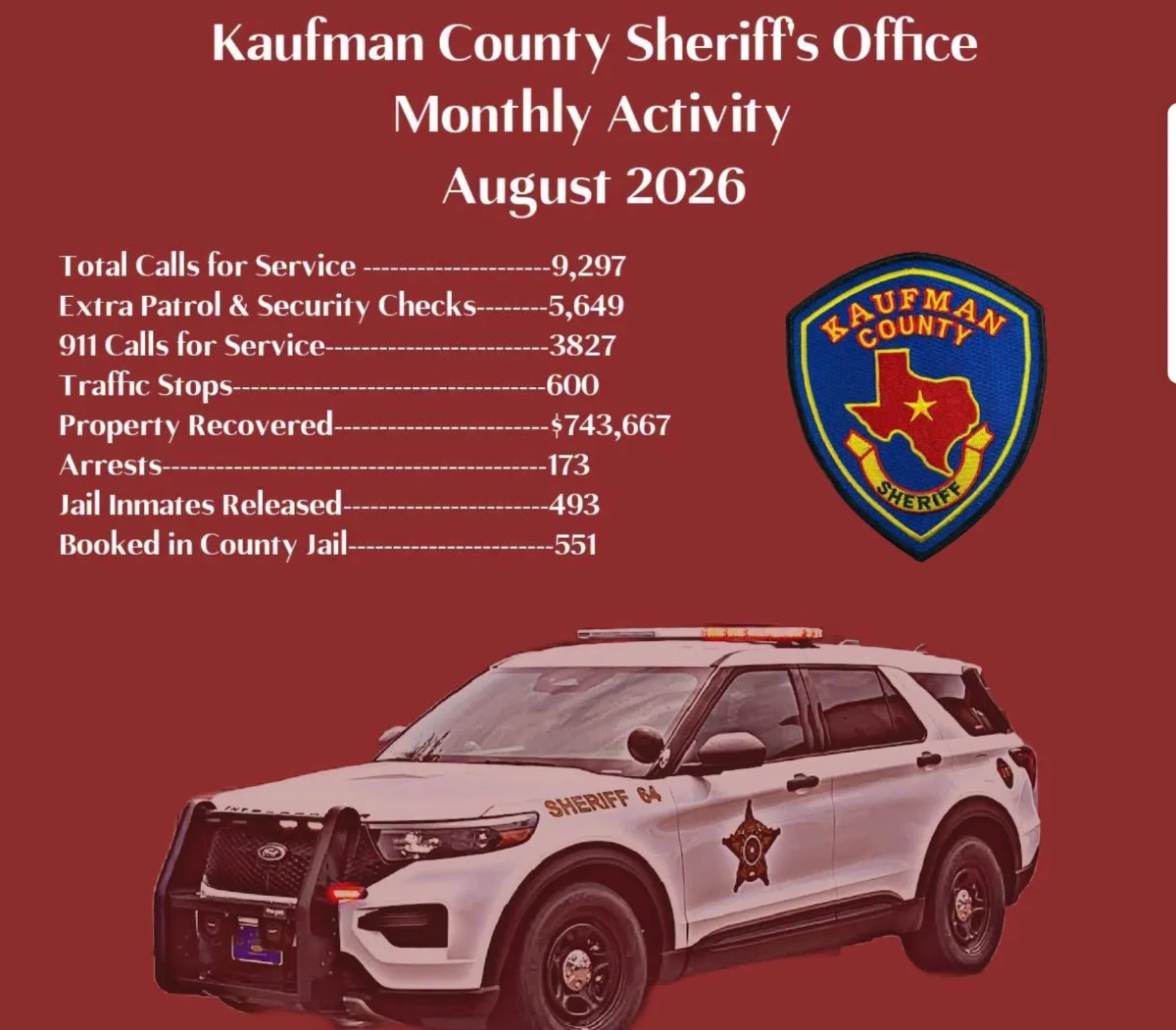
I have been a proud member of the Kaufman County community for over thirty years, raising my family here with my wife, Cindy. After serving as a police officer for two decades, I followed the Lord's calling to serve as a pastor at First Baptist Kaufman and later at Gray's Prairie Missionary Baptist Church, where I continue to lead worship every Sunday. After being elected to serve as Judge for Kaufman County Court at Law 2, I have consistently held one of the highest caseloads in the county and have worked overtime to clear cases at a rate faster than they have been brought to the court. I believe that I am the most dedicated, most experienced, and most trustworthy candidate for Judge, and I am proud to be recognized as such by local law enforcement. This is why many first responders and local law enforcement have endorsed my campaign for re-election, including Sheriff Bryan Beavers, District Attorney Erleigh Wiley, the Kaufman County Fire Marshals and Fire Fighters Association, and many more.