FORNEY, TX — A recent “takeover” at Forney Community Park has prompted a sharp response from city leadership—and renewed questions about what tools are actually available to prevent it from happening again.
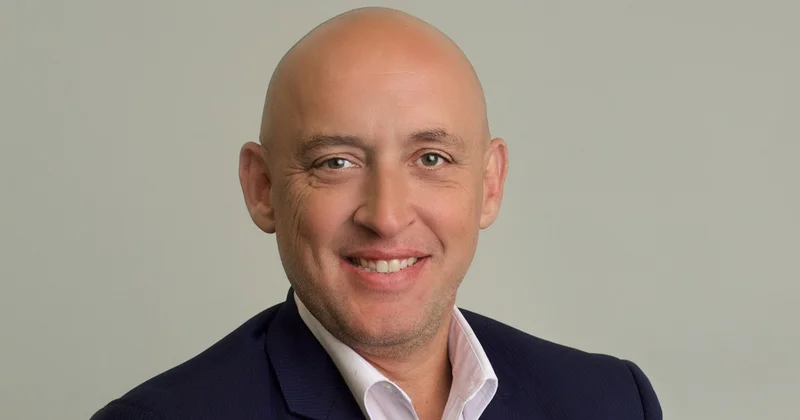
Forney City Councilman James Traylor issued a sweeping warning following the incident, signaling both immediate enforcement and a broader push for legal change.
Here is his full statement:
“Let me be absolutely clear: what we saw at Forney Community Park was not a harmless gathering—it was organized disruption. Large crowds were promoted, people showed up in numbers that created real safety concerns, and a public park had to be shut down. That is unacceptable, and it will not be tolerated in our community.
When individuals use social media to organize and promote these types of events that overwhelm public spaces, strain law enforcement, and put families at risk, that crosses the line—and it triggers accountability.
If you organize it, promote it, or choose to participate in it, you should fully expect law enforcement and local government to pursue every legal avenue available—including criminal charges and civil recovery for damages. We will seek restitution, and where the law allows, we will pursue the assets of those responsible to reimburse our taxpayers.
And let me be direct—if you are a minor, you are not beyond reach. Parents and guardians will be held accountable where the law allows. If your child is involved in damaging property, disrupting public safety, or participating in unlawful gatherings, we will pursue every available path to ensure responsibility is enforced.
Here in Texas, our ability to proactively implement curfews has been limited by state law. I am calling on the Texas Legislature to reconsider those restrictions and give local governments the authority we need to act before situations escalate—not after our community has already been impacted.
And to anyone considering bringing this behavior here, hear this clearly: if you’re coming to enjoy our community, you are welcome. If you’re coming to disrupt, damage property, or challenge law enforcement—don’t come.
Because if you do, we will respond decisively, and we will use every tool available to hold you accountable—financially and criminally—for the consequences of your actions.”
A National Problem With No Single Fix
What happened in Forney is not isolated. Across the country, cities are grappling with fast-moving youth gatherings—often coordinated on social media—that can overwhelm public spaces in a matter of hours. In Chicago, officials debated a controversial “snap curfew” that would allow police to impose temporary curfews on large gatherings after a warning. The measure passed the City Council but drew sharp criticism and faced a promised veto over concerns it was too broad and legally risky.
In Myrtle Beach, leaders took a more targeted approach, requiring minors to leave a designated downtown zone by 9 p.m. unless accompanied by a parent or guardian.
Florida cities have gone even further with place-based enforcement strategies. Panama City Beach imposes seasonal restrictions during high-traffic periods, including alcohol bans and curfew-style rules in specific areas.
And in Daytona Beach, officials enacted a temporary youth curfew within a defined event zone after unpermitted gatherings led to safety concerns and traffic disruptions.
Stopping Events Before They Start
Some cities are focusing less on dispersing crowds—and more on preventing them entirely. In South Fulton, police monitored social media for a planned “park takeover” and deployed officers and analysts ahead of time. The event never materialized.
That approach reflects a growing consensus: these gatherings are rarely spontaneous. They are organized, promoted, and amplified online.
The Texas Constraint
Councilman Traylor’s statement highlights a key limitation unique to Texas. Juvenile curfews—one of the most common tools used nationwide—are no longer enforceable in Texas under current law, according to the Texas Municipal League.
That means cities like Forney cannot rely on curfews to break up or prevent large gatherings of minors in the same way cities in other states can.
What Forney Can Still Do
Even without curfews, cities are not powerless. Forney already prohibits alcohol, amplified sound, and similar activity in its parks—rules that directly target the conditions that often fuel takeover-style events.
Other available tools include:
Increased police and park patrol presence
Enforcement of trespass, disorderly conduct, and property damage laws
Traffic control and restricted access during high-risk periods
Monitoring publicly available social media for planned gatherings
Pursuing restitution and civil liability for damages
Councilman Traylor made clear the city intends to use those tools aggressively.
Enforcement—and What Comes Next
Across the country, cities are learning that enforcement alone is only part of the answer. In multiple jurisdictions, officials have paired crackdowns with expanded youth programming and structured alternatives, recognizing that large gatherings often reflect a lack of supervised spaces for teens.
Forney now finds itself at that same crossroads. The message from city leadership is unmistakable: takeover events will be met with enforcement. But the longer-term question—how to prevent them altogether—remains one the city, and the state, may still need to answer.