
KAUFMAN COUNTY, TX — A recent analysis of state law enforcement data indicates a modest decline in juvenile crime across Texas. However, in the rapidly expanding suburbs of Kaufman County, officials responsible for maintaining public order are confronted with a starkly different reality that contradicts the state's optimistic figures.
While agencies in Austin report a slight decrease in youth offenses, local authorities are dealing with a troubling rise in both the volume and severity of crimes committed by minors. This disconnect underscores the growing pains of a county that consistently ranks among the fastest-growing in the United States, where the justice system is struggling to keep up with a shifting demographic landscape.
A Conflict of Statistics
The statewide trend, first reported by Spectrum News, suggests that preventive programs and legislative changes may be yielding positive results at a broad level. Yet for Trenis Ramsey, the chief juvenile probation officer in Kaufman County, the daily influx of cases paints a different picture.
During a recent review of current dockets with staff and prosecutors, Ramsey noted that referrals to his office continue to rise. He attributes this "uptick" directly to the relentless influx of new residents into the area.
"Actually, our numbers are up just a little bit compared to last year," Ramsey stated in an interview with Spectrum News. "But with the population growing as it’s growing, it’s gonna always be like that because of the uptick of people moving into the county."
The issue is not merely one of quantity; the nature of the offenses has undergone a significant transformation over the past several years. Joseph Russell, a Kaufman County Court at Law judge who spent a quarter-century as a juvenile defense attorney before taking the bench, has observed a distinct escalation in the severity of cases he adjudicates.
Judge Russell pointed out that the county first recognized a systemic problem in 2021. Since then, he has witnessed the docket evolve from low-level delinquency and minor property crimes to violent felonies.
"I saw it develop from fairly minor things and fairly low-level crimes to now we have murder charges," Russell remarked.
The Capacity Crisis
This shift toward more violent crime has placed a considerable strain on the county’s physical resources. When a minor is charged with a violent act, the law often mandates secure detention, yet Kaufman County currently faces a critical shortage of available beds.
The logistical shortfall has created a precarious situation for law enforcement. Kaufman County Sheriff Bryan Beavers described a system where officials are occasionally forced to make difficult decisions regarding who can be detained and who must be released.
"Now we’ve got the juvenile probation chief, they’re trying to figure out what we’re gonna do with an individual if we don’t have a bed," Sheriff Beavers told Spectrum News. "Do we let a rapist out or do we put a murderer in?"
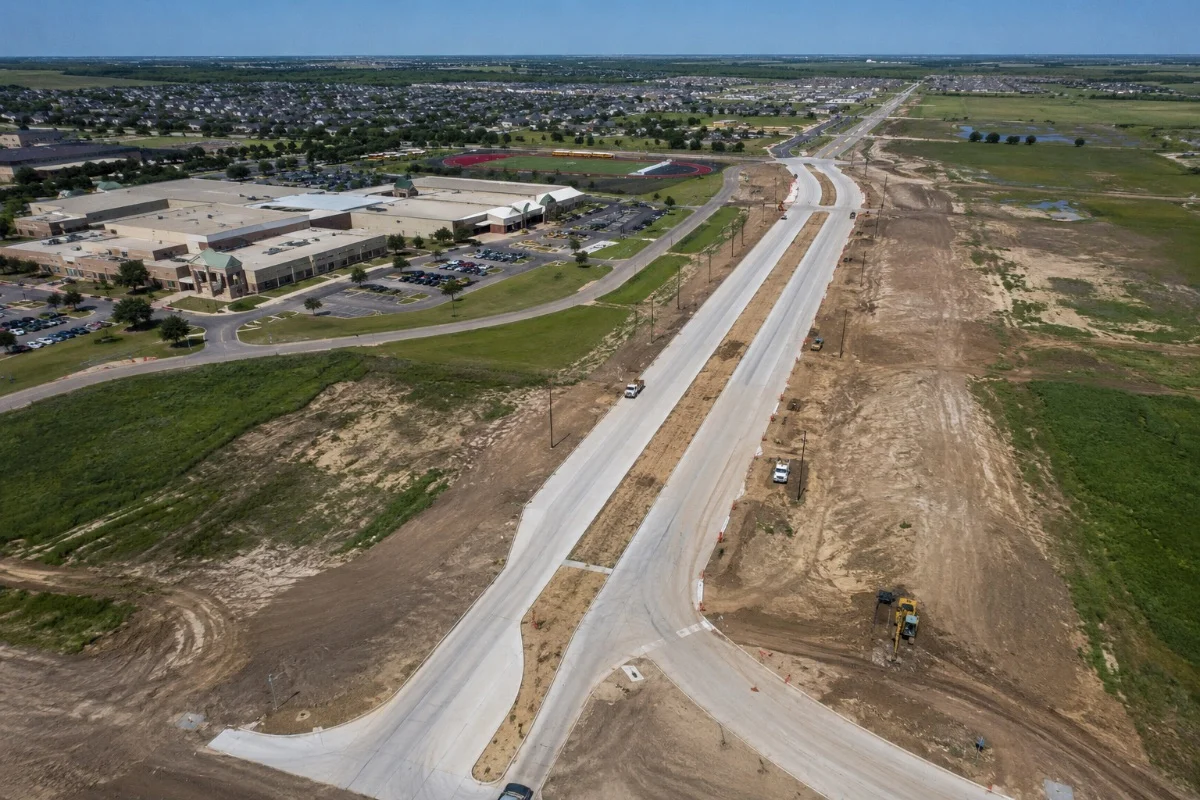
In May, local voters took steps to address this shortfall by approving a $40 million bond for the construction of a new juvenile detention center. Currently, the site for the facility is a dense stretch of trees and vegetation, and it is not expected to be operational until September 2028. This leaves a multi-year gap during which the county must manage high-risk offenders with existing, overextended facilities.
Rehabilitation Amidst Chaos
In the interim, the burden of navigating this volatile system falls on families and legal practitioners who must balance the demands of the law with the potential for a minor's redemption. Casey Boyd, a juvenile defense attorney with the Forney firm Guest and Gray, argues that the current climate of rising crime and limited resources makes the role of the advocate more vital than ever.
He maintains that while the system must respond to the severity of the crimes, the ultimate goal remains a dual focus on accountability and rehabilitation. For many young people entering the system, the legal crisis often reflects deeper, more personal instability.
"The primary goal of the juvenile system is to hold young offenders accountable for their actions while simultaneously ensuring public safety through meaningful rehabilitation," Boyd said. "In many cases, these juveniles are living lives in total chaos or find themselves at a critical crossroads. They are often facing significant mental health issues that have gone unaddressed. By providing the right structure and clinical intervention early on, we can address these root causes of delinquent behavior."
Boyd contends that this holistic approach is the most effective way to protect the community in the long term.
"This not only protects the community today but is the most effective way to ensure these juveniles do not become adult offenders tomorrow," he added. "A childhood mistake shouldn't be the end of a story; it should be the point where we steer them back toward a productive future."
As Kaufman County continues its transition from a rural community to a suburban powerhouse, the struggle to manage its youth population serves as a bellwether for the challenges of rapid urbanization. For now, the county remains in a holding pattern, waiting for its infrastructure to catch up with its reality.
Learn More
To further investigate the data and local initiatives mentioned in this report, consider the following sources:
Statewide Trends: The original analysis of Texas juvenile crime data can be found at Spectrum News.
County Governance: Detailed information regarding the $40 million juvenile detention bond and construction timelines is available through the Kaufman County Clerk’s office.
Legal Guidance: Information on the juvenile justice process and rehabilitation strategies can be accessed via Guest and Gray.