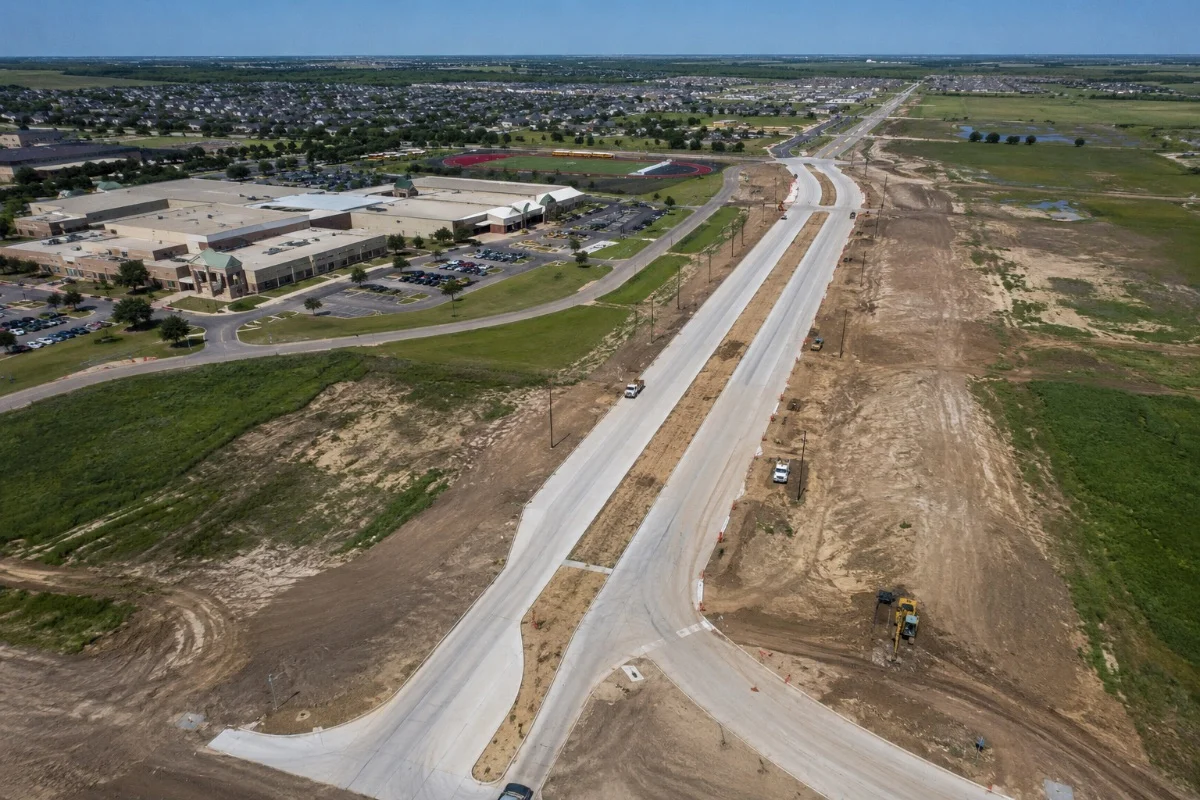
FORNEY, TX — While state agencies in Austin have recently reported a modest decrease in juvenile crime across Texas, the reality in Kaufman County is shifting in the opposite direction. As one of the fastest-growing regions in the United States, the rapid influx of new residents has brought significant infrastructure challenges and a localized "uptick" in youth offenses. Local officials describe a landscape where cases are not only increasing in volume but also in severity, evolving from minor delinquency to serious violent felonies.
To help families navigate this high-stakes environment, we sat down for an exclusive interview with Casey Boyd, the Lead Juvenile Defense Lawyer at Guest and Gray. Boyd is widely recognized as one of the premier advocates for minors in North Texas, focusing on the intersection of legal accountability and long-term rehabilitation.
The Interview: A Roadmap for Parents
InForney: Casey, we’ve heard from Chief Juvenile Probation Officer Trenis Ramsey that local numbers are rising because of our population growth. How are you seeing this play out in the courtroom?
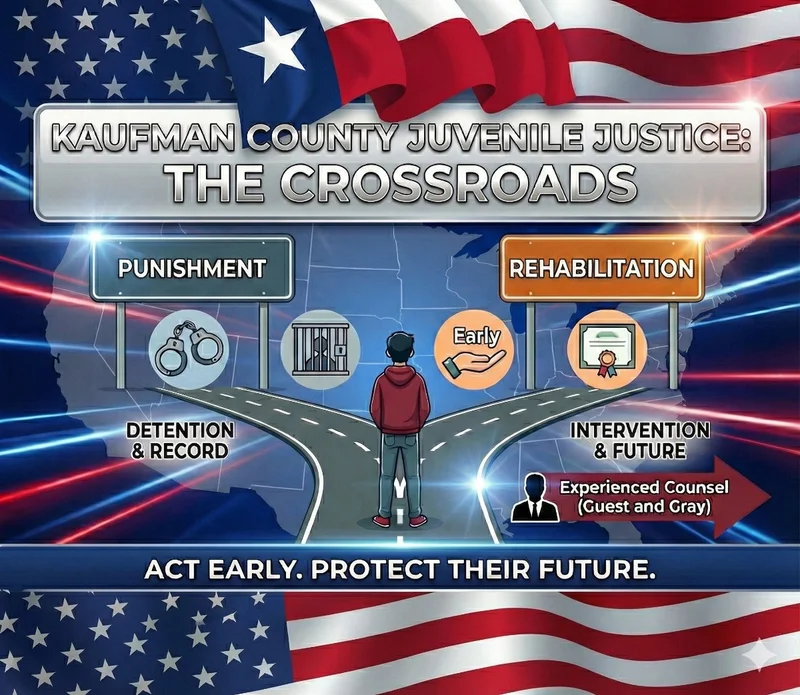
Casey Boyd: It is a classic case of infrastructure trying to catch up with a population explosion. In my practice, I’m seeing more young people who are essentially at a crossroads. They are often dealing with lives in total chaos or unaddressed mental health struggles. The system is seeing more serious charges, which means the margin for error for a family navigating the legal process has become razor-thin.
InForney: Sheriff Bryan Beavers recently described a "capacity crisis" regarding the shortage of detention beds. What does that mean for a parent whose child was just arrested?
Casey Boyd: It means the "Detention Hearing"—which happens within 48 hours of an arrest—is now the most critical moment in the case. With limited space, the court has to make a hard choice about who stays in a cell and who goes home. Our job is to provide the judge with a reason to send that child home by presenting a rock-solid supervision plan that ensures public safety while addressing the child's needs.
InForney: You often mention that the juvenile system’s goal is different from the adult system. Can you explain that distinction?
Casey Boyd: The juvenile system is designed to be rehabilitative. The goal is to hold the young person accountable while simultaneously ensuring they don't become an adult offender tomorrow. We focus on the "why" behind the behavior. If we can address root causes like mental health or trauma through clinical intervention and structure, we protect the community long-term.
InForney: What is your best advice for a family currently in the middle of this "chaos"?
Casey Boyd: Do not wait to see how it "plays out." The juvenile system moves with incredible speed. Early intervention allows us to explore options like Deferred Prosecution, where a child can complete a period of supervision and counseling to earn a full dismissal of the charges. This keeps their record clean and their future intact.
Expert Insight: The Power of Accountability and Rehabilitation
For many families, an arrest feels like the end of a story. However, with the right defense, it can be the point where a young person is steered back toward a productive life.
Protecting Rights: The right to silence is vital; statements made in the heat of an arrest can be used to build a case.
Rehabilitative Focus: The system prioritizes finding solutions for underlying issues rather than just issuing punishment.
Long-Term Impact: Successful intervention prevents a childhood mistake from becoming a permanent barrier to college or a career.
Learn More
To stay informed on local trends and legal resources, visit the links below:
Original Report: Texas agencies report a slight decrease in juvenile crime via Spectrum News.
Kaufman County Resources: Explore the Kaufman County Juvenile Probation department's role in the community.
Legal Defense: View specialized guides on juvenile rights and defense strategies at Guest and Gray.